

Gamblers worldwide lose over $500 billion a year. In the US alone, that figure exceeds $72 billion, with $25 billion coming from online betting and casinos.
But here's the thing: roughly 80% of those losses come from just 20% of players. And VIP programs, personalized hosts, and loyalty perks play a massive role in keeping it that way.
The Loyalty Pitch
Our approach to VIP is rooted in customer service and prioritizes responsible play, compliance, and building professional relationships with customers that emphasize playing within their means," — Jeff Lowich, vice president of VIP and retail experience at FanDuel.
To keep their best customers betting, online casinos and sportsbooks deploy loyalty programs. Their most valuable players get assigned personal VIP hosts who provide white-glove treatment: trips, event tickets, exclusive bonuses, and promotional offers. Sounds like any other loyalty program—airline miles, credit card rewards.
But there’s a critical difference.
Many players, under the influence of these personal VIP managers, end up losing far more than they ever planned—draining savings, racking up debt, destroying families.
There's plenty written about these stories—CNN has a solid piece on how sports gambling addiction affects men's relationships with friends, family, and sports itself. But far less attention has been paid to the role of loyalty programs and VIP hosts in driving these losses. The Washington Post published an excellent investigation on this: 'VIP' bettors say sportsbooks keep them playing, no matter the cost.
The VIP Trap
Here are a few disturbing stories from that piece:
A Pennsylvania psychologist made 446 deposits over four months, losing $208,000. On her worst days, she’d deposit $15,000 across 24 transactions in just four hours. When she couldn’t make her mortgage payment and messaged her VIP host, “I probably need to quit gambling,” the response was an offer for a “mystery reward” if she wagered another $12,000. The offers only stopped when her money ran out. Kavita Fischer now works two jobs, 65+ hours a week, chipping away at $140,000 in debt.

Lisa D’Alessandro discovered her husband had gambled away $15 million through DraftKings. His betting escalated from $174,000 a year in 2020 (never more than $25K in a month) to over $6 million a year by 2023—some months topping $500K. His VIP host sent gifts: an iPhone, whiskey, trophies. Handwritten notes. Offered to pay for vacations. The result: savings drained, children’s accounts emptied, family destroyed. DraftKings’ response in court? “In New Jersey, gaming operators have no legal duty to identify problem gamblers.”
Then there’s Amit Patel, a Jacksonville Jaguars employee who stole $22 million from the NFL team to fuel his FanDuel habit. He lost over $20 million. Now he’s serving 6.5 years in prison. His VIP host messaged him up to 100 times a day, gave him over $1 million in betting credits, took him to the Masters and Formula 1 races. “Back then, I thought we were friends,” Patel says from prison. “Now I understand—he was just extracting money from me.”
Who Actually Gets Called “VIP”
"Essentially, if you're a VIP, that's another word for being a sucker. The sportsbook views you as a sucker, as a long-term loser. They'll never say that out loud because these are very important, valuable assets to the sportsbooks. So they're going to treat them like royalty," — Gadoon Kyrollos, a professional gambler from New Jersey
You’d think VIP managers, more than anyone, would recognize the signs of problem gambling and step in. But that doesn’t happen. The conflict of interest is fundamental: the host’s job is to extract as much money as possible from the player. The player’s goal is to gamble responsibly and not lose more than planned.
The gambling industry today is the Wild West 150 years ago

The modern gambling market looks like the Wild West after industrialization. On paper, it is no longer chaos. There is a sheriff, courts, laws, and rules. But real power, just like a hundred and fifty years ago, does not belong to the law. It belongs to those who control the flow of people, money, and information.
“This industry is a paradox: your most irresponsible gamblers are your best customers. So it’s very difficult for a sportsbook to try to adapt to effective, responsible gambling strategies and at the same time maximize profits.”
The Wolf of Wall Street, Gambling Edition
Many have seen The Wolf of Wall Street, based on Jordan Belfort’s memoir—about a morally flexible trader who sold clients junk stocks disguised as promising investments.
The VIP host playbook is strikingly similar. Build “friendly” relationships. Earn trust. Methodically guide toward financial ruin. The industry called Belfort’s actions fraud. He went to prison.
VIP hosts do the exact same thing. Legally.
I wouldn’t be surprised if someday a book appears: “Confessions of a VIP Host: How I Helped People Lose $100 Million.” It would be a bestseller.
The Law Won't Save You
In many US states, gambling operators have no legal obligation to identify and exclude problem gamblers. No one is coming to save you.
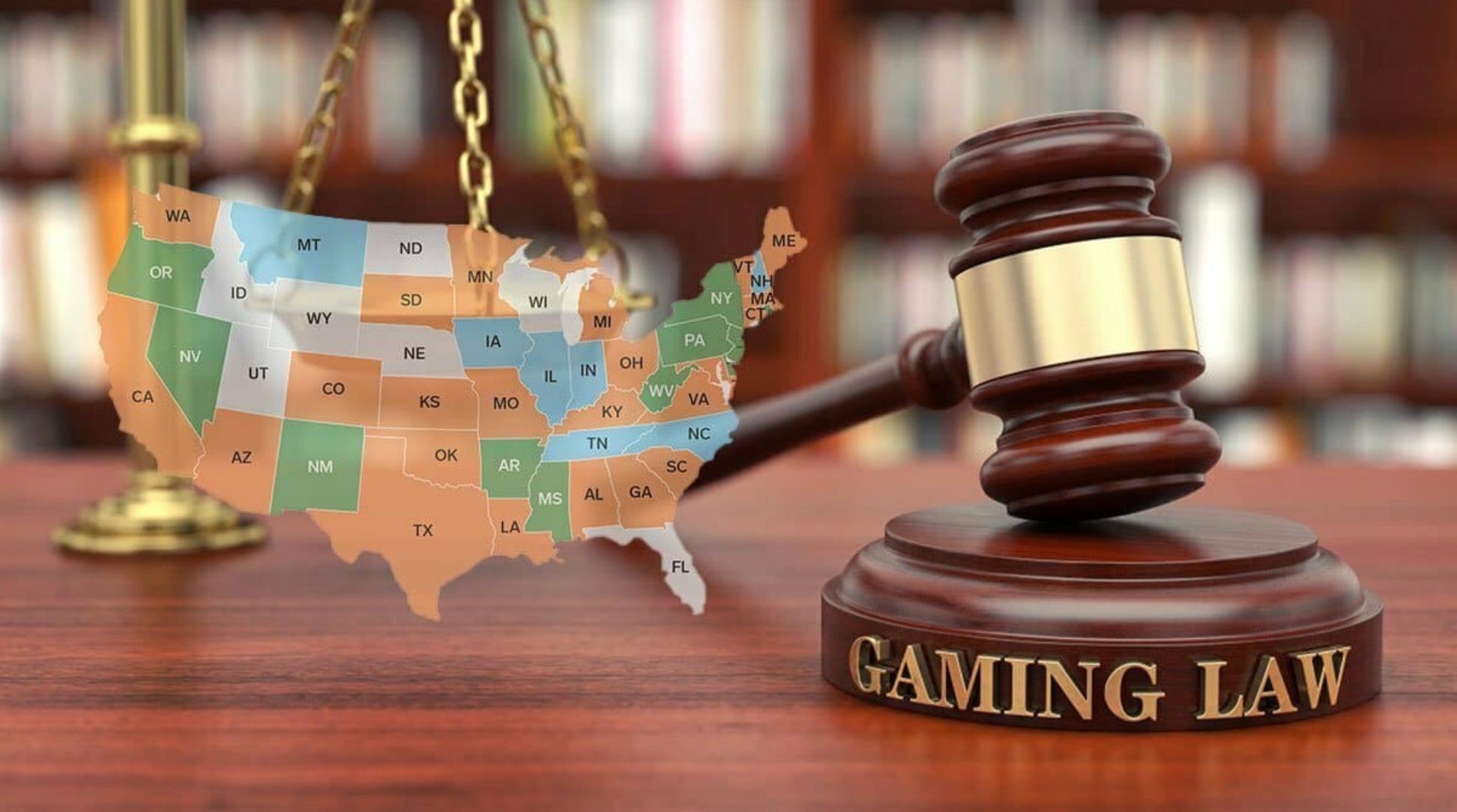
But some countries take a different approach. In the UK, Denmark, and even offshore Malta, operators are required to verify that players aren’t showing signs of problem gambling and can actually afford their losses. After the UK tightened rules in 2020, the number of VIP customers dropped by 90%. Now operators must conduct thorough financial checks before granting VIP status, maintain ongoing monitoring, and get executive-level approval.
“Sports betting has become a science. It is the science of exploitation and targeting and tracking individuals who are prone to addiction. Targeting and attracting losers and inducing and enticing them to bet more and drive them into ruin.”
Problems persist even under the threat of multimillion-pound penalties. William Hill Group paid £19.2 million for "widespread and alarming" social responsibility failures in March 2023. Entain paid £17 million for social responsibility and AML violations in August 2022. Caesars Entertainment UK paid £13 million for "systemic failures" in VIP handling in April 2020.
Some operators migrate their most profitable VIPs to offshore jurisdictions to dodge strict regulations. Officially, the player “voluntarily” switches to a Curaçao-licensed platform where rules are looser and oversight weaker. And in offshore territories, laws and ethical standards barely exist.
Take the Australian player who tried to self-exclude from Stake, the world’s largest crypto casino. His VIP host had a better idea: a generous bonus and increased cashback if he stayed. He agreed. Over the following months, he lost hundreds of thousands more.
This tracks with my own experience. I was regularly offered “recovery bonuses,” urged to play today because “the slot is hot,” bombarded with personalized offers after losses.
But a few times I encountered honest VIP hosts who said it straight: “You understand you can’t actually make money here long-term, right? This should only be for entertainment.” They assumed I was just another gambler. They didn't realize I was playing with an edge.
Advantage players extract value from the same VIP programs that destroy others.
